Showing posts with label chicken. Show all posts

Wednesday, January 19, 2011

A Taste of India

The following three recipes aren’t exactly an Indian menu—but could be with a few additions. Like rice and stir-fried spinach with garlic. Better in terms of learning to cook Indian food and helping your dinner companions like the spiciness of it, you might introduce the chicken or the chickpeas into a dinner that is rounded out with more familiar fare. Like rice and a salad. The carrot dip will be a hit under any circumstances.

Curried Carrot Dip


1 pound carrots, peeled and cut into ½ -inch pieces
¼ cup sunflower seeds, lightly toasted
2 teaspoons olive oil
½ teaspoon minced garlic
1 teaspoon curry powder
½ teaspoon ground cumin
¼ teaspoon salt or to taste
1 tablespoon fresh lemon juice

1. Place the carrots in a pot of salted water and bring it to a boil. Cook for 7 to 10 minutes or until soft. Drain and let cool.
2. Place the sunflower seeds in a blender or food processor and process into crumbs. Add the carrots and all the remaining ingredients and blend until smooth, scraping down the sides of the processor as needed.
3. Taste for salt and adjust the spices and lemon juice. Transfer to a covered container and refrigerate until ready to use. Serve with crackers, toasted naan (Indian bread) or fresh veggies.

Makes 2 cups
Adapted from Isa Chandra Moskowitz and Terry Hope Romero’s Veganomicon: The Ultimate Vegan Cookbook

Chickpeas with Mango Powder
This recipe calls for mango powder which you can find at a purveyor of Indian spices in your area. I go to Vik’s Chaat Corner in Berkeley, located on Channing Way at Fourth Street. But don’t hesitate to use lime juice instead. Vary the amount of heat in the dish by starting with a small amount of cayenne, tasting the sauce (and waiting for the heat to build), and adding more to your taste. This dish benefits from sitting for a while after being made. The flavor sneaks into the chickpeas with every passing minute. Just reheat gently before serving.


2 tablespoons canola oil
1 teaspoon cumin seeds
1 teaspoon ground cumin
2 black, green or white cardamom pods
1-2 cinnamon sticks, 3 inches long
1 cup canned crushed or diced tomatoes
2 tablespoons mango powder or fresh lime juice
1 tablespoon coriander seeds, ground, or 2 teaspoons ground coriander
1 teaspoon salt or to taste
½ teaspoons cayenne pepper [I used about 1/8 teaspoon]
¼ teaspoon ground turmeric
3 cups cooked chickpeas, canned or cooked from dried beans
1 cup water or chicken stock
4 tablespoons finely chopped cilantro
¼ cup finely chopped red onion

1. Heat the oil in a medium sauté pan over medium high heat. Sprinkle in the cumin seeds, cardamom pods, and cinnamon sticks and cook until they sizzle and smell aromatic, 10 to 15 seconds.
2. Add the tomatoes, mango powder or lime juice, coriander, ground cumin, salt, cayenne, and turmeric. Lower the heat to medium and simmer the sauce, partially covered, stirring occasionally, for 5 to 10 minutes.
3. Stir in the chickpeas, 1 cup water or stock, and 2 tablespoons cilantro. Cover the pan and simmer the sauce, stirring occasionally until the chickpeas absorb the flavors, and the sauce thickens, 20 to 25 minutes.
4. Remove the cinnamon sticks. Sprinkle with the onion and the remaining 2 tablespoons cilantro and serve.

Makes 4 cups
Adapted from Raghavan Iyer’s 660 Curries

Chicken in Saffron-Almond Sauce
This dish is so convenient. Ahead of time you can get the chicken steeping in the cream and saffron, chop up the garlic and ginger, and make the almond paste. When you are ready for dinner, everything is set to go and you can cook it up in 20 to 25 minutes.


1-2 pinches saffron threads
½ cup heavy cream, warmed (in the microwave)
1¼ pounds boneless skinless chicken thighs, cut into 1-inch strips
2 tablespoons chopped cilantro
1 teaspoon salt
½ teaspoon cayenne pepper [I used much less.]
½ cup blanched almond slivers
¼ cup water or chicken stock
1 teaspoon Garam Masala (see below)
2 tablespoons ghee, vegetable oil, or butter
2 tablespoons finely chopped fresh ginger
5 large garlic cloves, finely chopped

1. In a large bowl, steep the saffron in the warm heavy cream for 1 to 2 minutes.
2. Add the chicken, cilantro, salt, and cayenne. Refrigerate for at least 30 minutes but no more than 8 hours.
3. In a blender, purée the almonds, water or stock, and Garam Masala until smooth.
4. In a 10-inch skillet, heat the ghee, oil or butter over medium-high heat. Add the ginger and garlic and stir-fry for 2 to 3 minutes or until golden.
5. Stir in the chicken mixture and cook uncovered, stirring occasionally, for 12 to 15 minutes, or until partially cooked.
6. Mix in the almond paste and simmer, covered, stirring occasionally, for 8 to 10 minutes, or until the chicken is no longer pink in the center.
7. Pour into a warmed serving bowl. Rice or naan (Indian bread) are great for sopping up the delicious sauce.

4 servings
Adapted from Raghavan Iyer’s The Turmeric Trail

Garam Masala
You can find jars of Garam Masala in the spice section of your supermarket or in packets at an Indian spice store. I don’t particularly like the balance of spices in these jars—the one I tried has too much allspice or cloves in it. But if you are really pinched for time, try one out. It won’t ruin your dish, but your own mixture will make it much better.

1 teaspoon cumin seeds
1 teaspoon coriander seeds
1 teaspoon black peppercorns
1 teaspoon cardamom seeds (removed from the pods)
½ teaspoon fennel seeds
15 whole cloves
3 cinnamon sticks, 3 inches in length, broken into pieces

1. In a small heavy skillet, roast all the spices over medium-high heat for 2 to 3 minutes, stirring constantly, until the spices turn one shade darker, start to crackle, and become fragrant.
2. Transfer the roasted spices to a plate to cool for 3 to 5 minutes. Grind in a spice grinder until the mixture has the texture of finely ground black pepper.
3. Store in an airtight jar in a cool, dark place for up to a month. Be sure to label the jar so you remember the contents.

Makes about ¼ cup
Adapted from Raghavan Iyer’s The Turmeric Trail

Thursday, January 13, 2011

Chicken for the Kids (and Grown-ups Too)

Lemon Chicken
I made this recipe for the first time shortly after acquiring The Silver Palate Cookbook in April 1984. Both of my boys (then 9 and 12) loved this chicken, maybe for the lemon but mostly, I suspect, for the brown sugar. Over the years, my taste has changed and I’ve vastly decreased the amount of sugar—but there is still a little hint of sweet that is balanced nicely with the sourness of the zest and juice.


9 chicken thighs, skin and extra fat removed
Lemon zest from 4 lemons
½ cup fresh lemon juice (about 4 lemons)
½ cup flour
1 teaspoon salt
1 teaspoon smoky sweet paprika
¼ teaspoon pepper
¼ cup vegetable oil
2 tablespoons brown sugar
¼ cup chicken stock
1 teaspoon lemon extract

1. Combine the thighs and lemon juice in a bowl just large enough to hold them. Cover and marinate in the refrigerator overnight, turning occasionally. A shorter time is fine too.
2. Drain the chicken thoroughly and pat dry, setting aside the marinade. Fill a plastic bag with flour, salt, paprika and pepper and shake well to mix. Put two pieces of chicken into the bag at a time and shake, coating completely.
3. Preheat oven to 350ºF.
4. Heat the oil in a large frying plan until hot and fry the thighs, until well browned. This will take about 10 minutes per batch.
5. Arrange the browned chicken in a single layer in a large shallow baking pan. Sprinkle them evenly with lemon zest and brown sugar. Mix together the chicken stock, leftover marinade, and lemon extract and pour around the thighs.
6. Bake for 35 or 40 minutes or until tender.

6-8 servings
Adapted from Julee Ross and Sheila Lukins’ The Silver Palate Cookbook

Wednesday, May 19, 2010

Menu 16: A Lemon and Herb Extravaganza

If I were to choose a wine to go with the lemon and herbs in all three dishes, I might try a gewurztraminer or a riesling with a little residual sweetness to balance all the sour herbiness. What do you think would work nicely?

John’s Roasted Chicken with Herbs and Lemon


1 (3½ pound) free-range chicken
2 tablespoons olive oil
2 tablespoons butter, softened (in the microwave for 1 minute)
2 tablespoons finely chopped flat leaf parsley
2 teaspoons finely chopped fresh thyme or rosemary
¾ teaspoon salt
½ teaspoon pepper
Lemon wedges, for serving
Chopped parsley to garnish, optional

1. Position a rack in the middle of the oven and preheat to 400ºF. Line a low-sided roasting pan with parchment paper. If you are using a pottery dish, there is no need to line it with parchment.
2. Remove the giblets and the neck from inside the chicken.
3. Set the chicken on its tail with the backbone facing you. Cut down along one side of the backbone from the neck to the tail. Cut down along the other side.
4. Open the chicken and split the chicken between the breasts from neck to tail. You now have two halves of a chicken, without the backbone. Remove the center breastbone if you want.
5. In a small bowl, mix the olive oil, butter, parsley, salt, and thyme or rosemary. Massage the mixture all over the chicken halves, slipping some underneath the skin. Season with salt and pepper, especially the inside without the skin.
6. Set the chicken halves, skin side up, on the prepared pan and roast until the juices run clear when the thickest part of the thigh is pricked, about 40 minutes. (A 4-pound chicken will take 50-55 minutes; a 5-pound chicken will take 50-60 minutes.)
7. Serve hot or warm, with lemon wedges and the optional parsley.

4-5 servings
Adapted from Carrie Brown’s The Jimtown Store Cookbook

Lemon Barley Pilaf


2¾ cups water
1 teaspoon salt
1 cup uncooked quick-cooking pearl barley
OR
1 cup de-hulled barley
2 tablespoons canola oil
1 large onion, chopped
1 tablespoon chopped fresh sage or 1 teaspoon dried sage
1 tablespoon chopped fresh thyme or 1 teaspoon dried thyme
Grated zest from 1 lemon
2 tablespoons lemon juice
Salt and pepper to taste

1. Bring water and salt to a boil and stir in the barley. When the water returns to a boil, reduce the heat, cover and simmer for 10 minutes for the quick-cooking and 25 for the de-hulled. Drain if necessary.
2. Heat oil in a nonstick skillet and sauté the onion until transparent and golden, about 10 minutes. Add the drained barley, herbs, lemon zest, lemon juice, salt and pepper to taste, and toss together. Serve warm or hot.

Note: You can make the whole dish ahead of time. When it is time to serve, reheat it in the skillet and taste for seasonings, especially salt.

4 servings
Adapted from Linda Gassenheimer’s Dinner in Minutes

Indian-Style Broccoli with Spiced Yogurt


2 large heads of broccoli, broken into florets
2 teaspoons cumin seeds
2 teaspoons fennel seeds
5 cardamom pods, seeds removed and pods discarded
¼ teaspoon sweet smoky paprika
1 cup natural plain yogurt, medium consistency (not too thick or too thin)
Zest from 1 large lemon
Juice from 1 large lemon or less if your yogurt is pretty thin
Salt and pepper to taste

1. Blanch the broccoli in boiling salted water for 4 minutes or less, until bright green.
OR
Steam the broccoli over boiling water until tender and bright green.
Drain in a colander.
2. Toast all the spices (except the paprika) in a hot pan for 2 minutes or until they become fragrant. Let them cool slightly. Grind them in a spice or converted coffee mill. Add the paprika to the mixture. Store any leftover spice mixture in a labeled jar to use the next time you make the dish.
3. Stir about half of the spices into the yogurt. Taste the result, adding more of the spice mixture to your taste, along with the lemon zest, juice, salt and pepper. Save a bit of the spice mixture for the garnish. The yogurt mixture improves if allowed to sit for an hour or more.
4. Place the broccoli in a serving bowl. Just before serving, pour out any accumulated water from the bottom of the bowl and then spoon part of the yogurt mixture over the top. Sprinkle with some of the reserved spice mix. Serve warm or at room temperature with the remaining yogurt mixture in a small bowl on the side.

4-5 servings
Adapted from Jamie Oliver’s Cook with Jamie: My Guide to Making You a Better Cook

Tuesday, March 30, 2010

Sesame Chicken and Asparagus Pasta Salad


1 pound thin asparagus, trimmed and cut on diagonal into 1-inch lengths
8 ounces dried linguine, broken into 4-inch lengths
5 garlic cloves, peeled and sliced
2 tablespoons red wine vinegar
¾ cup chunky peanut butter
1/3 cup brown sugar if using healthy peanut butter, 2 tablespoons if using Jiff
½ cup soy sauce
½ cup sesame oil
¼ cup chicken stock, as needed
¼ teaspoon red pepper flakes or Aleppo pepper
3 boneless and skinless cooked chicken breast halves
Note: See cooking directions below.
1½ tablespoons sesame seeds, toasted
3 scallions, white part and 3 inches of green, cut into 2-inch julienne or coarsely chopped
1 small cucumber, peeled, halved, seeded and cut into ¼ inch dice

1. Bring a large pot of salted water to a boil. Blanch asparagus in the boiling water for 1-2 minutes. Scoop out, leaving the water boiling. Drain until dry.
2. Add the linguine to the boiling water and cook until just tender. Drain, rinse under cold water, drain again, and set aside in a large mixing bowl.
3. Place the garlic, vinegar, peanut butter, brown sugar, soy sauce, and red pepper flakes in a food processor. Process for 1 minute. With the motor running, slowly add the sesame oil and the stock, if necessary, through the feed tube; process until well blended. Adjust seasonings as you desire. The sauce should be thick and creamy but not stiff.
4. Shred the chicken into 2-inch julienne and toss with the linguine. Add some of the sauce and 1 tablespoon of the sesame seeds. Keep adding the sauce until the noodles and chicken are nicely moistened. Put the remainder of the sauce in a small serving bowl.


5. Place the linguine and chicken on a large flat serving platter or bowl and arrange the asparagus on top. Sprinkle with the scallions, cucumber, and remaining ½ tablespoon sesame seeds. Serve at room temperature. If you have any of the asparagus, scallions, or cucumbers which don’t fit on the platter, place them in small bowls and bring to the table, along with the extra sauce. You may want to add more of the goodies to your salad as you eat.

To cook the chicken breasts: Simmer the chicken breasts in stock or salted water to cover for about 30 minutes, turning over half way through cooking. Poke a knife into the thickest part to make sure they are cooked all the way through. If they are not, let them simmer little while longer. Let them cool in the liquid. Shred.

6 servings
Adapted from Julie Rosso and Sheila Lukins’ The New Basics Cookbook

Monday, February 1, 2010

A Taste of Vietnam with a Touch of Thai

If you are new to Vietnamese/Thai food, I suggest that you start with the soup. It makes a gorgeous simple dinner with the addition of a salad. And it takes no time at all to fix. The Shrimp and Black Rice Salad is also a great dinner to which you can add a simple salad. But there is a little more fuss to it. The Cauliflower with Garlic and Pepper can be a vegetable side dish with any dinner, Vietnamese or not. We had it with cracked crab and it was delicious.

Thai Chicken Coconut Soup

I made this for my daughter-in-law when she was healing from surgery. I think that it hastened her recovery.


1 14-ounce can coconut milk
1 14-ounce can chicken broth
6 quarter-sized slices fresh ginger
1 stalk lemongrass, cut in 1-inch pieces
1 pound boneless, skinless chicken breast or thighs, sliced thinly
7 ounces tofu, sliced, optional
1-3 cups sliced mushrooms
2 tablespoons fresh lime juice
1 tablespoon Thai or Vietnamese fish sauce
1 teaspoon salt or to taste
1 teaspoon sugar
2 teaspoons Thai chili paste
2 tablespoons chopped fresh basil
2 tablespoons chopper fresh cilantro

1. In a medium saucepan, mix together the coconut milk, broth, ginger and lemongrass. Bring to a boil over high heat.
2. Add the chicken, optional tofu, mushrooms, lime juice, and fish sauce, salt, sugar and chili paste. Reduce heat and simmer until the chicken is cooked. Check for salt, adding if necessary. Remove the lemongrass pieces as best you can.
3. Pour into bowls and garnish with basil and cilantro.

You can make a vegetarian version by substituting 7-14 ounces of tofu for the chicken, vegetable broth for the chicken broth, and soy sauce for the fish sauce.

4 servings
Adapted from Jiranooch Shapiro’s version in December 2008 Sunset Magazine

Shrimp and Black Rice Salad with Vietnamese Vinaigrette
I was eating some leftovers of this dish on a plane ride from SFO to NYC. A friend, who was seated across the aisle from me, leaned over and said “Watch out. There are lots of people on this plane who would do anything for a bite of your lunch.” I think that included my friend.


For the Vietnamese dipping sauce/vinaigrette:
2 garlic cloves, minced or pressed
1 red or green jalapeno or serano fresh pepper, seeded and minced
1½-inch piece of fresh ginger, peeled and minced
4 tablespoons fish sauce
2 tablespoon lime juice (about 1 lime)
4 tablespoons water
2 tablespoons granulated sugar

For the salad:
1 cup black rice
Note: The brand I get at the supermarket is Lotus Foods A World of Rice Forbidden Rice: The Emperor’s Exclusive Grain Imported from China
1 pound raw shrimp, peeled
Salt
Juice of ½ lemon

1. To make the sauce, mix all the ingredients together.
2. Cook the rice by bringing 1 2/3 cup water to a boil, add the rice, and cook for 40-45 minutes. You can also follow the instructions on the package.
3. Poach the peeled shrimp in simmering water to which you have added the juice of ½ lemon.
4. Let both the rice and the shrimp cool somewhat. Place the rice is a shallow serving bowl. Stir some of the sauce into the rice. Arrange the shrimp on top and spoon more sauce onto them. Serve at the table with additional sauce in a bowl on the side.

2-3 dinner servings
Adapted from Nigella Lawson’s Forever Summer

Cauliflower with Garlic and Pepper


2 tablespoons vegetable oil
1 tablespoon chopped garlic
1 head of cauliflower, broken into small florets
2 tablespoons fish sauce
6-8 tablespoons water
1 teaspoon sugar
½ teaspoon black pepper
2 green onions, trimmed and cut into 1-inch lengths
2 tablespoons coarsely shopped fresh cilantro, dill or mint

1. Heat the oil in a large skillet over medium-high heat. Add the cauliflower to the pan and cook for 1 minute, toss well, exposing all sides to the hot pan. Once the cauliflower is nicely browned, add the garlic and stir well to combine.
2. Add the fish sauce, water, sugar, pepper, and green onions to the pan. Cook, tossing often until the cauliflower is tender, but not mushy, about 5 or more minutes.
3. Just before serving, stir in the fresh herbs, transfer to a shallow serving bowl and serve hot or warm.

4 servings
Adapted from Nancie McDermott’s Quick and Easy Vietnamese

Thursday, August 13, 2009

Three Summer Salads

Grilled Pancetta-Wrapped Figs and Arugula with Lavender Dressing
If you're interested in a light dinner in the midst of fig season, this is just wonderful. Plenty of flavor, a delicious dressing, and the little purple flowers which are in nearly every yard during the summer.


Mustard Lavender Vinaigrette, start the day before if you have time (see recipe below)
About 6 cups arugula or other fresh greens
½ cup pine nuts, lightly toasted (Watch! They burn easily.)
8-12 large fresh black figs
8-12 thin slices pancetta, smoked pepper bacon, or regular bacon
Vegetable oil for brushing the grill
Fresh lavender or society garlic flowers for garnish

1. Wash, dry, and chill the greens.
2. Prepare your grill or broiler.
3. Wrap each fig with a piece of bacon or pancetta and secure with a toothpick or small metal skewer. Brush the grill or broiler rack with vegetable oil. Place figs on the rack and grill or broil, turning frequently, until the bacon is browned, about 5 minutes or a little longer.
4. Drizzle the arugula or other greens with the Mustard Lavender Vinaigrette. Divide the greens among 4-6 individual plates. Arrange 2 or 3 figs on each plate and drizzle with more vinaigrette if desired.
5. Sprinkle with pine nuts and garnish with the fresh flowers.

4-6 servings as a salad course, depending on the size of the figs and how many figs you serve/person
Adapted from James McNair’s Salads

Mustard Lavender Vinaigrette

½ cup fruity extra virgin olive oil
1 tablespoon chopped fresh lavender flowers
OR
1½ teaspoons crumbled dried lavender flowers
¼ cup balsamic vinegar
1 tablespoon Dijon-style mustard or 1 teaspoon dried mustard
1 teaspoon minced or pressed garlic
1 teaspoon salt
1 teaspoon sugar

1. In a bowl or jar, combine the olive oil and chopped or crumbled lavender, cover, and let stand at room temperature for at least 24 hours or for up to several weeks. Strain before using.
2. Combine everything except the lavender oil in a bowl or jar. Shake or stir until combined. Add the oil and shake or stir again. Use immediately or store in the fridge. Return to room temperature before serving.

Makes ¾ - 1 cup
Adapted from James McNair’s Salads

Chicken Salad with Walnuts and Grapes
You may think I have a "thing" for roasted fruits and veggies. I must confess that I do--primarily because of the intense flavor. But also because I sometimes buy too many grapes, strawberries, or cherry tomatoes and they may be on the verge of going squishy. Roasting comes in so handy.


¾ cup mayonnaise (You can use some thick yogurt in place of some of the mayonnaise.)
Zest of 1 lemon
Juice from ½ lemon
½ teaspoon salt or to taste
1/8 teaspoon pepper or to taste
1 tablespoon finely chopped chives
1 tablespoon finely chopped flat-leaf parsley
1 tablespoon finely chopped fresh tarragon
4 individual chicken breasts, poached or microwaved and roughly chopped or shredded
OR
4 cups leftover roasted chicken, bones and skin removed, roughly chopped or shredded
1/3 cup finely chopped red onion
½ cup finely chopped celery (about 1 stalk)
1 cup halved red seedless grapes or ½ cup Roasted Grapes, see recipe below
¾ cup roughly chopped walnuts, lightly toasted
Greens, if desired

1. In a small bowl, whisk together the mayonnaise, lemon zest and juice, salt, and pepper. Add the chives, parsley and tarragon; mix gently.
2. In a large bowl, combine the chicken, onion, celery, and grapes. Add the mayonnaise mixture and fold together to combine. Add more mayonnaise if the mixture is too dry. Season to taste. Chill until ready to serve.
3. Just before serving, stir in the toasted walnuts. If desired, serve over or surrounded by greens.

4-6 servings
Adapted from the New York Times Sunday Magazine

Oven-Roasted Grapes


2 pounds red grapes, without seeds
A slight sprinkling of sugar

1. Remove the grapes from their stems. Cut in half if large. Line a cookie sheets with a silicone mat or parchment paper and place the grapes on top in a single layer.
2. Turn the oven to 250ºF and place the pan in the oven. You can use the convection setting in your oven on either Bake or Roast and speed up the process a bit.
3. After about an hour, check to see how they are doing; move them around a bit and sprinkle with a small amount of sugar if they taste a little tart to you. Roast for an additional hour or until the grapes have lost some of their juice and shrunk some. Sort of like raisins but with more moisture.

You can use these as an accompaniment to cheese, in salads, on your Steel-Cut Oats for breakfast and in Italian Sausage with Red Grapes or Chicken Salad with Walnuts and Grapes.

Makes about 3 cups
Adapted from John Ash’s Cooking One on One

Quinoa Salad with Pistachios and Cranberries
Quinoa is a grain originally from Peru that has a very high protein content. It is also delicious. This red one is from the Rancho Gordo folks in Napa, California who produce so many outstanding dried beans.


1/3 cup pistachios or slivered almonds
1 cup quinoa (red from Rancho Gordo or regular)
1½ cups water, heated in the microwave
1 teaspoon salt
2 stalks celery, cut in half lengthwise and sliced
3 scallions, sliced, including some of the green part
¼ cup dried cranberries, chop coarsely if they are big, use more if you'd like
Sherry Vinaigrette, see recipe below

1. Arrange the pistachios or almonds in a single layer in a small pan and toast at 350 F. until lightly browned, about 5 minutes or less. Let them cool to room temperature and chop coarsely.
2. Toast the quinoa in a medium skillet or pottery skillet over low heat, shaking the pan occasionally until it lightly browns, about 5 minutes or longer. It will take a little longer in the pottery skillet, keeping it on low heat. Add the water and salt, cover and bring to a simmer. Cook until the quinoa is soft but still has a little bite, about 15 minutes. The water should be gone.
3. Let it cool. Add the nuts, celery, scallions, and cranberries and toss.
4. Dress with Sherry Vinaigrette. Check for salt, adding more if required.
5. Serve immediately or refrigerate. Bring to room temperature before serving.

4 servings
Adapted from Fran Gage’s The New American Olive Oil

Sherry Vinaigrette

1 tablespoon sherry vinegar
¼ teaspoon salt
Pepper to taste
3 tablespoons olive oil

Mix the vinegar, salt, and pepper in a small bowl. Slowly pour in the olive oil, whisking with a fork to mix. Taste for seasoning and adjust.

If you are using this for a regular salad, you can add 2 teaspoons minced shallots or green onions. The Quinoa Salad already has green onions in it so these are shallots are not necessary.

Adapted from Fran Gage’s The New American Olive Oil

Monday, July 27, 2009

Menu 8: A Second Spanish-influenced dinner

Chicken Marbella
Now that we have the pronunciation straight, we can proceed. Within the last year I have discovered that not everyone shares my affinity for sweet and savory in the same dish. I recently mentioned Chicken Marbella to Jessie, a dear friend of a friend, who said that she would never fix anything that had chicken and prunes together. She just wasn’t drawn to those combinations. What you have probably noticed by now is that I am drawn to those combinations. In fact, they jump off the page of a cookbook and into my lap. Sweet and salty. Raisins and bacon. My mouth waters. I want you to know that I fully confess to this affinity and won’t take offense if you don’t share it.

What is really great about Chicken Marbella is its ease: you can marinate the day before, then put it in your pots or pans, pour in the wine and sprinkle sugar, and bake. None of that nasty browning business. The thighs are much more forgiving than chicken breasts which tend to dry out.


8-10 chicken thighs, skin and extra fat removed
½ head of garlic, peeled and pressed
2 tablespoons dried oregano
1 teaspoon kosher salt
½ teaspoon pepper
¼ cup red wine vinegar
¼ cup olive oil
1 cup pitted prunes
1 cup pitted green olives
¼ cup capers with a bit of juice
3 bay leaves
¼ cup brown sugar
½ cup wine
2 tablespoons chopped flatleaf parsley or cilantro

1. In a large bowl, combine the chicken thighs, garlic, oregano, vinegar, olive oil, prunes, olives, capers and juice, and bay leaves. Add the salt and pepper. Cover and let marinate in the refrigerator overnight. You can also make it in the morning and refrigerate for the day.
2. Preheat oven to 350ºF.
3. Arrange the chicken in a single layer in one or two large shallow baking pans or clay pots and spoon the marinade over it evenly. Sprinkle the chicken with brown sugar and pour white wine around them.
4. Bake for 40 to 50 minutes, basting frequently with pan juices. Chicken is done when the juice from the thighs runs clear, not pink, when pricked.
5. If you’ve cooked in the clay pots, then leave them as they are. If you’ve cooked in not-so-pretty pans, transfer the thighs, prunes, olives and capers with a slotted spoon to a serving platter, moisten with a few spoonfuls of pan juices and pass the remaining juices in a small pitcher. Sprinkle the clay pots or the platter generously with parsley or cilantro.
Note: This dish can be served right out of the oven or at room temperature.

4-6 servings
Adapted from Julee Ross and Sheila Lukins’ The Silver Palate Cookbook

Coconut Rice
This rice is actually Cuban, but it goes with the Marbella so nicely. Both speak Spanish fluently. The photo doesn't reveal how tasty this dish is. Delicious. But not very visually stimulating.


2 tablespoons oil or butter
2 cloves garlic, minced or pressed
2 teaspoons minced or grated fresh ginger
1½ cups basmati rice
1 cup unsweetened coconut milk (comes in a can)
1½ cups water
1 teaspoon salt

1. Heat oil or butter in a heavy saucepan over medium heat. Add the garlic and ginger and cook until fragrant, but not brown, about 1 minute. Add the rice and sauté until the individual grains are shiny, about 1 minute.
2. Add the coconut milk, water, and salt and bring to a boil. Reduce the heat, cover the pan, and cook the rice until all of the liquid is absorbed and the grains are tender, 18 to 20 minutes.
3. Remove the pan from the heat and let the rice stand, covered, for 5 to 10 minutes. Fluff with a fork and serve at once.

If you want to make it a bit ahead of time, you can rewarm it in a low oven.

4-6 servings
Adapted from Steven Raichlen’s Miami Spice

Oven-Roasted Tomatoes
I am crazy about these tomatoes, especially the cherry tomatoes. Fresh sliced regular tomatoes or cherry tomatoes would be great with this meal as well. Both the roasted and fresh add a necessary color to the plate.


3 pounds small to medium tomatoes of any kind or color
OR
2-3 boxes of cherry tomatoes
2 tablespoons olive oil
1 teaspoon kosher salt

1. Cut the regular tomatoes in half crosswise and remove the seeds.
OR
Poke a hole in each of the cherry tomatoes.
2. Place in a bowl. Drizzle with olive oil and salt. Mix together.
3. Place the cherry tomatoes or the regular tomatoes with their cut side up in a single layer on low-sided pans lined with parchment paper or silpat. Roast in a 350ºF oven. No need to preheat. You can use convection mode on either roast or bake if your oven has that feature.
4. Bake in the oven until the skins are wrinkled and juices evaporated somewhat. The flesh should still be moist and soft to the touch. For regular tomatoes, count on 1-2 hours; for cherry tomatoes, one hour should be sufficient. If you are using convection, the times will be shorter. You can remove the tomatoes that are starting to caramelize (and potentially burn) if you desire.
5. Remove from the oven and cool.

4 servings
Adapted from a Ramekin’s cooking class taught by Mary Karlin, August 2004.

Sunday, July 5, 2009

Menu 6: A Persian Fourth of July

Our Fourth of July dinner for friends, Kit from LA and Nancy and Bill from Sonoma, was not your usual grilled affair. I felt more inclined to support free and fair elections for the people of Iran than to celebrate the birth of American freedom with burgers and buns. So I planned a dinner around one of the most famous dishes in Persian cuisine: Fesenjan or Chicken with Pomegranate Sauce. We ate the Fesenjan with an herby rice dish and two salads. You’ll find these recipes below. We started with hummus and toasted pita in the living room over our first glasses of wine and a selection of gorgeous cheeses and finished with a decadent Chocolate-Lime Cheesecake from Nigella Bites. It was a splendid dinner, colorful and delicious.

Chicken with Pomegranate Sauce (Khoreshe Fesenjan)


10 chicken thighs, extra skin and fat removed
3 tablespoons butter
½ teaspoon poultry seasonings or za’tar*
1 teaspoon salt
½ teaspoon pepper
1 large onion, finely chopped
2 tablespoons tomato paste or harissa*; or 1 tablespoon of each
2 cups walnuts, very finely chopped.
Note: Use a food processor if you have one. Stop before the walnuts become a paste.
2 cups chicken stock
1 teaspoon salt
½ teaspoon cinnamon
¼ teaspoon smoky hot paprika or regular paprika
2 tablespoon lemon juice
1 cup fresh pomegranate juice (Pom brand is very good)
2-3 tablespoons pomegranate syrup or molasses*
1 tablespoon sugar
2 tablespoons finely chopped flat-leaf parsley for garnish

1. Sauté the chicken in the butter, sprinkling each side with the poultry seasoning or za’tar, salt and pepper, until light brown on all sides. Remove to a plate.
2. Remove all but 3 tablespoons of the combined chicken fat and butter. Sauté the onions in the remaining fat until golden brown. Add the tomato paste and/or harissa and sauté for a few minutes. Add the walnuts and sauté over medium heat for about 5 minutes, stirring constantly so as not to burn the walnuts.
3. Add the stock, salt, cinnamon, paprika, lemon juice and pomegranate juice and syrup. Cover and let cook on a low fire for about 35 minutes. Taste the sauce and add salt if necessary and sugar if the sauce is too sour for your taste.
4. Arrange the chicken in the sauce. Cover and let simmer for 20-25 minutes. Taste for seasoning. I needed to add more salt and a bit more lemon juice.
5. Decorate with parsley and serve with rice.

*Za’tar, harissa, and pomegranate syrup or molasses are available at Middle Eastern or Persian food stores or delis.
You can make this the day before. Reheat gently before serving and garnish with the parsley.

6-10 servings, depending on appetites
Adapted from Maideh Mazda's In a Persian Kitchen

Rice with Herbs (Sabzi Polow)


2 cups basmati rice
Salt for boiling the rice
1 teaspoon salt
2 cups finely chopped herbs of your choosing.
Note: A combination of tarragon, chives, flat-leaf parsley, and dill is good. Use a food processor to chop, if you have one.
6 scallions, finely chopped in a food processor
6 tablespoons butter or 4 tablespoons vegetable oil

1. Wash the rice in warm water and drain.
2. Bring a large pot of salted water to a boil. Pour in the rice and boil for about 12 minutes, until the rice is still slightly undercooked. Drain.
3. In the same pot, heat half the butter or oil. Pour in the rice, mixing in about ¾ of the fresh herbs and the teaspoon of salt. Add the remaining butter or oil. Stir gently.
4. Cover with a tight-fitting lid and steam for 15-20 minutes over very low heat. You want to create a very lightly brown crispy layer on the bottom of the rice. After the rice has finished cooking, you may need to turn up the heat a bit to crisp up the bottom, watching it carefully.
5. Add the remaining herbs just before serving. If you are using a nonstick pan, you may try flipping out the rice onto a large platter. If you have not, use a spatula to scrape the rice out into a serving bowl, displaying the beautiful crust or crusty bits on top.

You can also make this using leftover plain cooked rice from another occasion. Just begin the process at #3. If the rice is cold, it will take longer than 20 minutes to reheat and to form a crust. You can keep peeking inside the pan to check on the crust.

6-8 servings
Adapted from Claudia Roden's The New Book of Middle Eastern Food

Beet and Yogurt Salad or Dip


2 large or 4-5 small uncooked beets (red or golden) OR
1 can (16 ounces) cooked beets, drained
1 cup drained plain yogurt or more depending on your amount of beets and your serving bowl
Note: Buy thick Greek yogurt or drain soupy yogurt by lining a sieve with two layers of paper towels, pouring in the yogurt, and letting it drain over a bowl for several hours. To see a photo of the draining process, check the Cucumbers and Yogurt recipe.
1 tablespoon sugar
Salt to taste
1 tablespoon chopped fresh or slivered mint or 1 teaspoon dried mint

1. If using fresh beets, steam them with the skins on for about 1½ hours or longer until tender.
OR
Place fresh beets in a baking dish filled with ½-inch water. Cover with foil. Bake in the oven at 400 F for 45 minutes for small beets, longer for larger. I usually use this method.
2. Peel the fresh beets. Cut cooked or canned beets into ¼ - ½-inch cubes. Mix with the sugar and salt to taste. Chill until ready to serve.
3. Immediately before serving, spread the yogurt in the bottom of a shallow serving bowl. Place the beets on top, gently nestling them into the yogurt. Garnish with the mint. Serve as a salad or as a dip with toasted pita bread.

4-6 servings
Adapted from Najmieh Batmanglij's New Food of Life


Parsley, Celery and Herb Salad


2 cups parsley leaves
½ cup 1-inch snipped chives
½ cup tarragon leaves or mint
4 stalks celery, cut on the bias about 1/8-inch thick
OR
An equal amount of fennel
½ cup extra virgin olive oil
Juice of 1 lemon, Meyer if possible
Salt and pepper

1. Combine the parsley, chives, tarragon/mint, and celery.
2. Mix together olive oil, lemon juice, salt and pepper.
3. Just before serving, pour the olive oil mixture over the greens and toss gently. Taste for seasonings.
Note: The proportions can be varied depending on the herbs you have at hand. Celery leaves are a good addition. You can also add 2 small seeded tomatoes for color.

6-8 servings
Adapted from the San Francisco Chronicle Magazine, January 30, 2005, David Bazirgan at Baraka

Saturday, May 23, 2009

Menu 2: Great Summer Dinner

I made this as a lunch menu in April 2006 for a reunion of my Theta sisters from the University of Michigan. We gathered in Sonoma, California at a lovely retreat center and went on a wine tour, pictured here, one afternoon. It was great.


Barbeque Pulled Chicken

The black beans pictured on this plate aren't included in this menu. Perhaps later.


1 8-ounce can tomato sauce or home-made if you have it
1 7-ounce can chopped green chiles, including the juice
3 tablespoons cider vinegar
2 tablespoons honey
1 tablespoon regular or smoky sweet paprika
Note: El Rey de Vera Pimenton de la Vera (Spanish Smoked Paprika) It comes in Sweet, Bittersweet, and Hot. I use Sweet in this recipe. Fancy supermarkets often have it. I get mine at The Spanish Table in Berkeley.
1 tablespoon tomato paste
1 tablespoon Worcestershire sauce
2 teaspoons dry mustard
1 teaspoon ground chipotle chile
Note: Chipotle ground chile is in my supermarket in the Mexican section, usually in a clear cellophane bag.
½ teaspoon salt or to taste
2½ pounds boneless, skinless chicken thighs, extra fat removed
Note: Scissors work great to cut off the extra fat.
1 small onion, finely chopped
1 clove garlic, minced or pressed

1. Stir tomato sauce, chiles, vinegar, honey, paprika, tomato paste, Worcestershire sauce, mustard, ground chipotle and salt in a 6-quart slow cooker until smooth. Add chicken, onion, and garlic; stir to combine.
2. Put the lid on and cook on low until the chicken can be pulled apart, 2-3 hours depending on the size of your slow cooker. A smaller pot will take more time. You can also use a large sauté pan on the top of the stove or on low heat in the oven. Start checking thighs after two hours.
3. Transfer the chicken thighs to a bowl, and let cool until you can pull the meat apart with your fingers or a fork.
4. Pour the liquid into a sauté pan and boil it down until it is thick. Return the chicken to the sauce, stir well, and check for salt. Reheat if necessary, and serve on toasted buns. I usually serve open-faced with the toasted bun forming a platform for the chicken.
5. You can make it the day before and reheat to serve.

8 servings
Adapted from February/March issue of Eating Well magazine

Erasto’s Coleslaw


½ cup sour cream, crème fraiche or thick yogurt
½ cup mayonnaise
2½ tablespoons Dijon mustard (I like the whole seed kind)
2 teaspoons honey
2 teaspoons champagne vinegar or other white wine vinegar
6 tablespoons dried currants
½ head green cabbage, shredded or chopped
1 medium carrot, thinly shredded or grated
1 apple, chopped, optional
Salt and pepper to taste

1. Combine the sour cream, mayonnaise, mustard, honey, vinegar, and currants in a large bowl. Mix well.
2. Add the cabbage, carrot, and apple, if you wish, and toss to combine. Season to taste with salt and pepper.

4-6 servings
Adapted from Cindy Pawlcyn’s Mustards Grill Napa Valley Cookbook

Silky Sautéed Red Peppers


3 red bell peppers
1/3 cup plus 2 tablespoons red wine vinegar or balsamic vinegar
1/2 teaspoon sugar
1 teaspoon salt
2 tablespoons extra virgin olive oil

1. Wash the peppers, halve them lengthwise, and remove and discard the seeds and membranes. Cut each pepper half in half, cross-wise. Cut into ½-inch lengthwise strips.
2. Place in a very large skillet and toss with the 1/3 cup vinegar and salt. Cover and cook over low heat until soft and tender, about 25 minutes. Toss occasionally, adjusting the heat so the peppers cook slowly. The liquid will have nearly evaporated by the end of the cooking. Watch that the peppers don’t scorch.
3. When done, transfer them to a platter. Return the skillet to the heat, and deglaze with the final 2 tablespoons of vinegar, scraping up any of the flavorful bits that may have remained in the pan. Add the oil, and heat until just warmed through.
4. Pour the liquid over the peppers, toss, and taste for seasoning. Serve right away or cool for at least 30 minutes before serving at room temperature.

4-6 servings as a side dish
Adapted from Patricia Wells’ Trattoria

Sunday, May 17, 2009

Menu 1: Fabulous Moroccan Dinner

I'm going to start posting a breakfast, lunch, or dinner menu to my blog about once a week. I would love for you to try the whole menus or any of the dishes that you find appealing. More than anything else, I want your feedback on how the recipe worked for you, how you changed it to suit your tastes, and how you make the dish your own. I look forward to your comments and thoughts. This first one is from one of my favorite cuisines in the whole world: Morocco. I visited there in 2004.


Moroccan Chicken


Spice mixture:
3 cloves garlic, minced
2 tablespoons olive oil
¼ teaspoon ground cinnamon
1½ teaspoons ground cumin
1 teaspoons ground ginger
½ teaspoon paprika
¼ teaspoon pepper
1 teaspoon salt
½ teaspoon ground turmeric

Remainder:
8-9 thighs, skin and extra fat removed (kitchen scissors are great)
2 lemons
1 cup pitted Kalamata olives, cut in half
10 dried dates, pitted and halved or quartered lengthwise

1. Combine all the ingredients for the spice mixture in a large bowl. Add the thighs and coat them well with the mixture. Let the chicken stand, loosely covered, for 1 hour. Can refrigerate for longer, even over night.
2. Place a sauté pan over medium heat and add the chicken, skin side down (I know there is no actual skin). Cover and cook for 20 minutes over low heat; the chicken will cook in its own juices. If the pan gets too dry, add a tablespoon or 2 of water or chicken stock.
3. Zest the 2 lemons, avoiding the bitter white pith as much as possible.
4. Turn the thighs over and sprinkle them with the lemon zest, olives, and dates. Cover and cook another 10 minutes, adding a small amount of water if the mixture is at risk of burning. Serve immediately.

4-6 servings
Adapted from Julee Rosso and Sheila Lukins’ The New Basics Cookbook

Couscous Salad with Apricots, Pine Nuts, and Ginger


1 cup instant couscous
½ cup water and 1 cup orange juice
OR
1½ cups orange juice
3 tablespoons light olive oil
2 tablespoons champagne vinegar, plus a splash for the red onions
8 dried apricots, thinly sliced, about 1/3 cup
2 tablespoons dried currants
2 tablespoons golden raisins
2 teaspoon grated ginger
Salt to taste
¼ medium-size red onion, finely diced, about ½ cup
2 tablespoons pine nuts, toasted (watch carefully)

1. Combine the water, orange juice, olive oil, and 2 tablespoons of vinegar in a medium-size saucepan. Bring the liquid just to a boil. Stir in the dried fruit, ginger and ½ teaspoon salt.
2. Pour the couscous grains into a small mixing bowl. Pour the hot liquid over the couscous. Stir together and cover the bowl and let sit for 20 minutes.
3. Bring a small pot of water to a boil and drop in the red onion for 15 seconds. Drain well. Toss the onion with a splash of vinegar to make it pink.
4. When the couscous is ready, gently fluff it with a fork and toss with the pine nuts and onion. Add salt to season and an additional splash of vinegar to brighten the flavor.

4 servings
Adapted from Annie Somerville’s Field of Greens

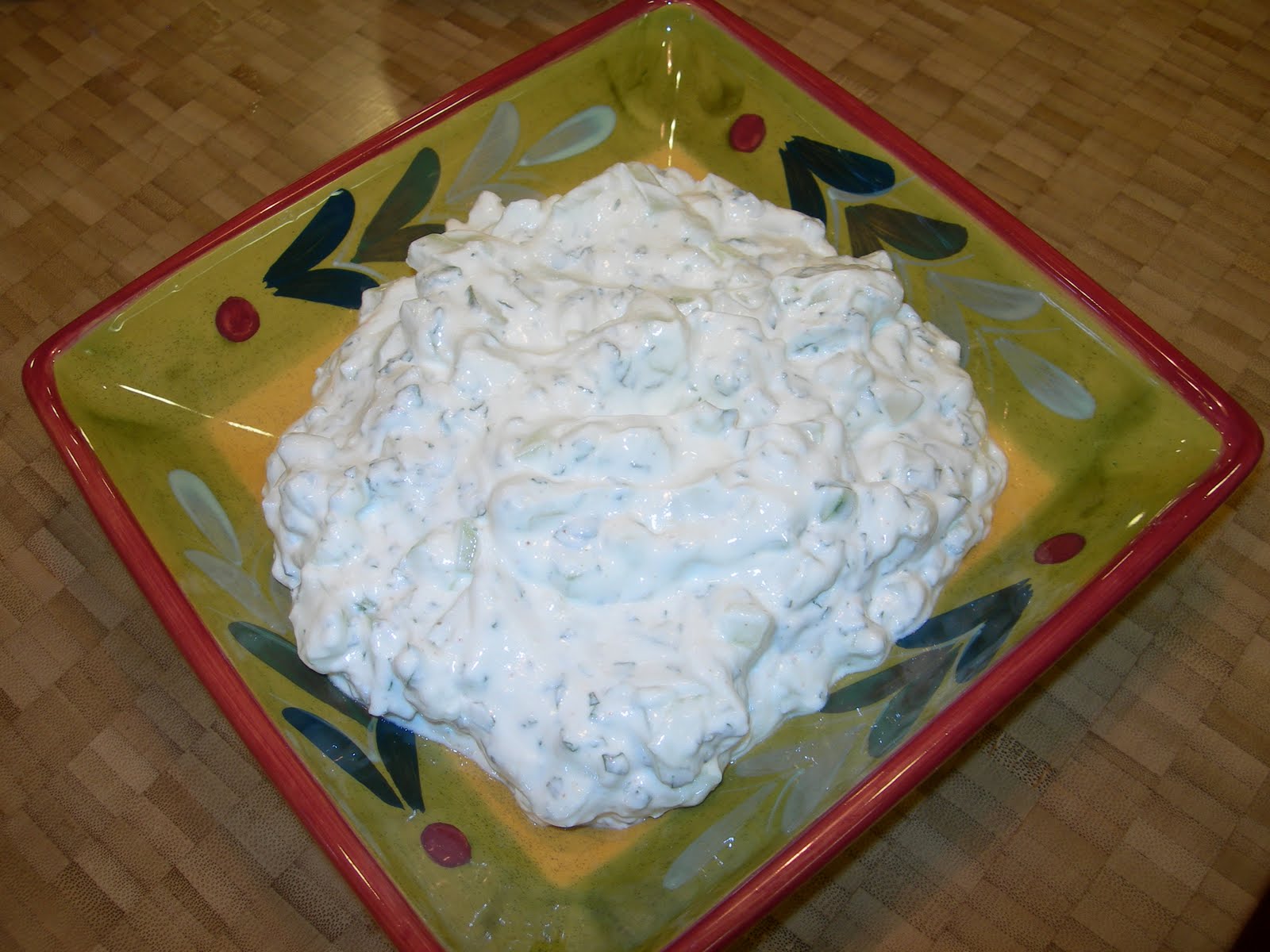
Cucumbers with Yogurt and Mint


1 medium cucumber
1 cup plain yogurt*
¼ cup chopped fresh mint
Salt to taste
1/8 teaspoon cayenne pepper
1 garlic clove, pressed, optional

1. Peel the cucumber, cut in half lengthwise, and scoop out the seeds with a spoon. Dice into ¼-inch cubes.
2. Toss the ingredients together, adding the pressed garlic if you desire, and serve. You can also make the dish an hour or two in advance and refrigerate until ready to serve.

* If your yogurt is too soupy, strain 2 cups of the soupy stuff through a double thickness of paper towels lining a sieve, set over a good-sized bowl or pitcher. Allow the yogurt liquid to drain until the yogurt is the thickness you desire. Empty the liquid if it threatens to reach the sieve.


Makes about 3 cups
Adapted from Annie Somerville’s Fields of Greens